
Utah Temple Wedding Reception Timeline (What to Plan After Your Sealing)
For many couples in Utah, a temple sealing is the most meaningful part of their wedding day.
But once the ceremony is over, the next question becomes: what happens next?
Planning a reception after a sealing comes with a unique timeline. Between multiple locations, a potential luncheon, and an evening reception, the day naturally unfolds differently than a traditional wedding.
As couples begin looking for wedding venues in Utah County, many are also trying to figure out how to structure the rest of their day in a way that feels smooth, intentional, and enjoyable for their guests.
Here’s a realistic guide to planning your temple wedding reception timeline.
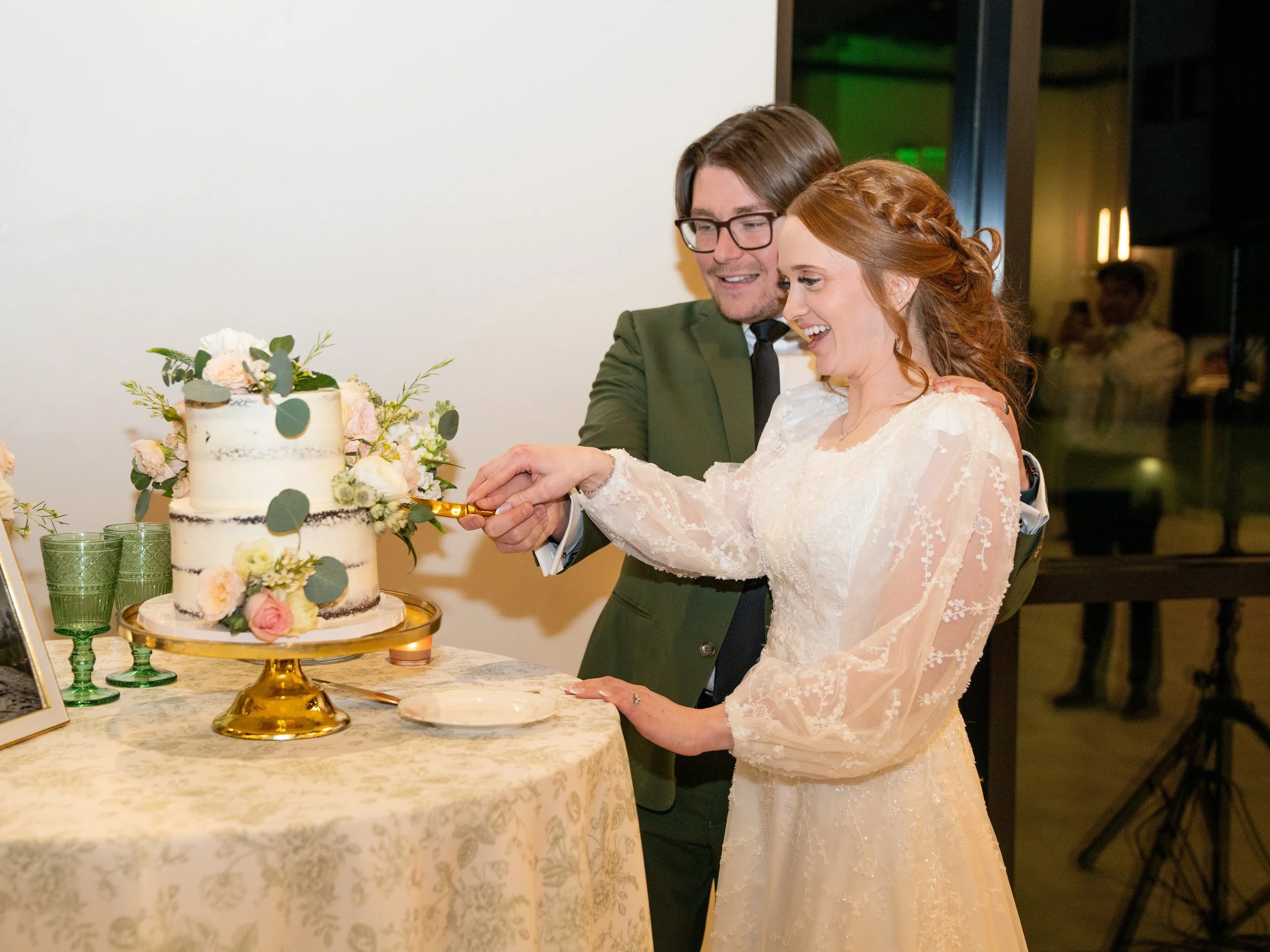
Photographer: Kaimara Wedding Films
Build in a Realistic Transition Time
Temple wedding days typically involve more movement than traditional weddings. Instead of everything happening in one place, your day may include the temple, a luncheon location, and your reception venue.
Because of that, it’s important to intentionally plan for:
Travel time between locations
Time for guests to leave, navigate, and arrive
A reset period before the reception begins
Rather than rushing from one part of the day to the next, most couples build in a longer break between the sealing and reception. This gives the day a more natural pace and allows everyone time to transition comfortably.
During this in-between window, some couples also choose to give guests a place to gather after the luncheon, but before the reception begins. At The Rooftop Lehi, the golf lounge is a popular option for this part of the day—especially for family members and wedding party guests who want something fun and low-key to do while waiting for the evening celebration to start.
Receiving Line or Open House Style?
One of the biggest decisions you’ll make for your reception is how you want to greet your guests.
Traditional Receiving Line
More structured
Ensures you greet every guest
Typically takes 45–60 minutes, depending on guest count
Open House Style
More relaxed and flexible
Guests arrive and mingle at different times
You greet people more organically throughout the evening
Many couples choose a blend of both—starting with a receiving line, then transitioning into a more open, social atmosphere.
Plan the Structure of Your Reception
Temple wedding receptions can vary quite a bit depending on your preferences. Some couples choose a more traditional structure with dinner and dancing, while others keep things simple with desserts and mingling.
Your reception might include:
A seated dinner or catered meal
A casual buffet or dessert bar
Speeches
First dances
Open dancing and social time
There’s no single “right” format—the goal is to create an experience that feels natural for you and your guests.
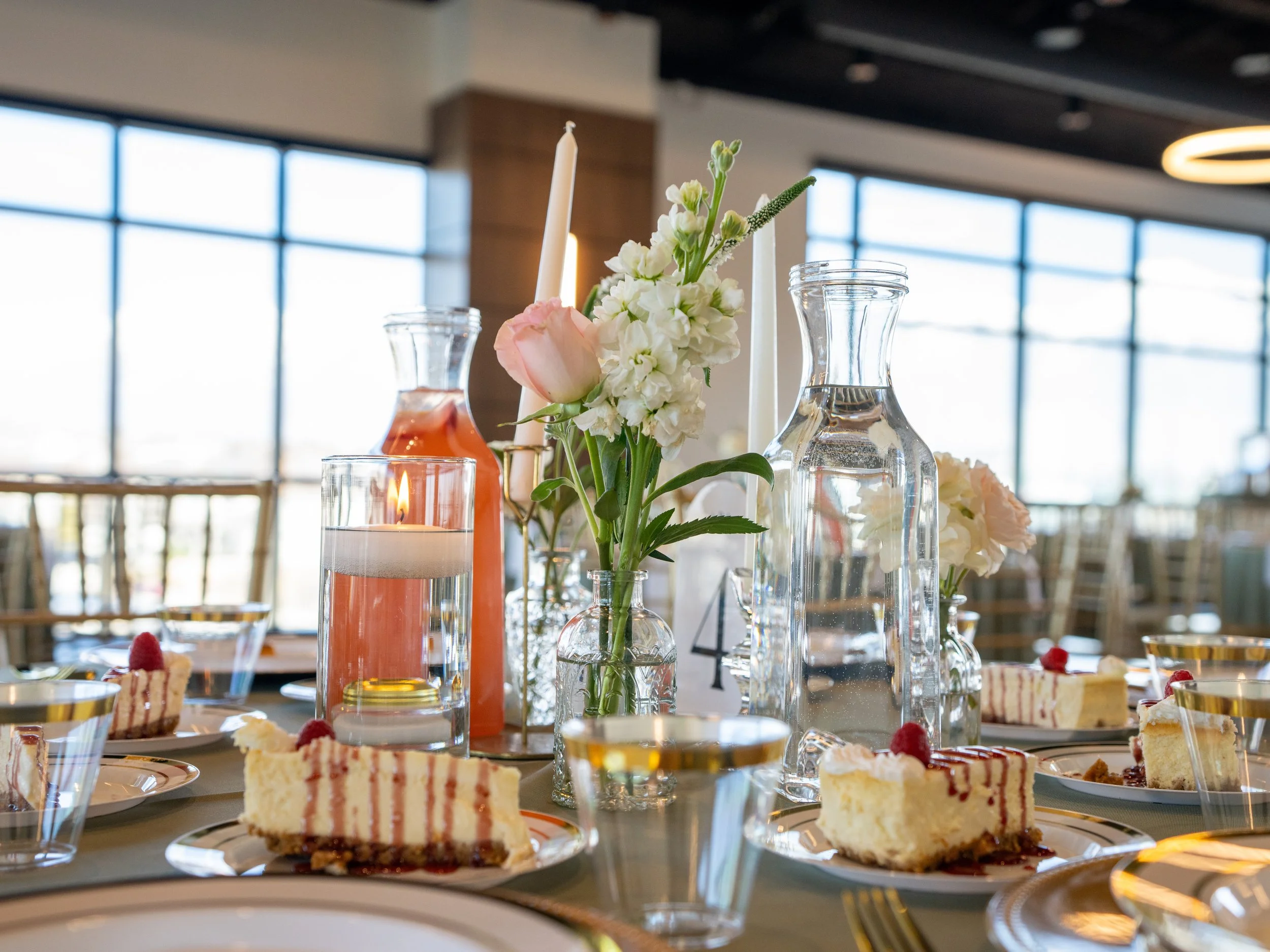
Photographer: Kaimara Wedding Films
Design a Layout That Keeps Guests Moving
How your space is set up plays a big role in how your reception unfolds.
Instead of keeping everything in one area, it helps to use different spaces for different parts of the event—while still keeping everything connected.
For example:
A welcoming area for guest arrival
A space for a receiving line or greeting guests
A dedicated area for dinner or seating
A larger space for dancing and activities
Outdoor areas for mingling and photos
When each part of the reception has a clear place, the event feels more organized and easier for guests to navigate.
If you’re planning your reception and want to see how a space can support this kind of layout, you can explore more about our event spaces here.
Don’t Forget the Guest Experience
Beyond the timeline and layout, the overall experience for your guests is what they’ll remember most.
A few simple details can make a big difference:
Clear timing so guests know when and where to be
Comfortable space to sit, stand, and socialize
Room to move without feeling crowded
Opportunities to step outside or take a break
Temple wedding days are often longer and more spread out, so small touches that keep guests comfortable and engaged go a long way.
A Realistic Example Timeline
To bring it all together, here’s what a typical temple wedding day might look like:
12:00 PM – Sealing at the temple
12:30–2:00 PM – Photos + greeting guests
2:00–3:30 PM – Luncheon with close family and friends
3:30–5:30 PM – Break / travel / reset (optional golf lounge time)
6:00 PM – Reception begins
6:00–7:00 PM – Receiving line + mingling
7:00–8:00 PM – Dinner or refreshments
8:00–9:30 PM – Dancing + send off
Every wedding will look a little different, but this structure reflects what many couples in Utah naturally plan around.
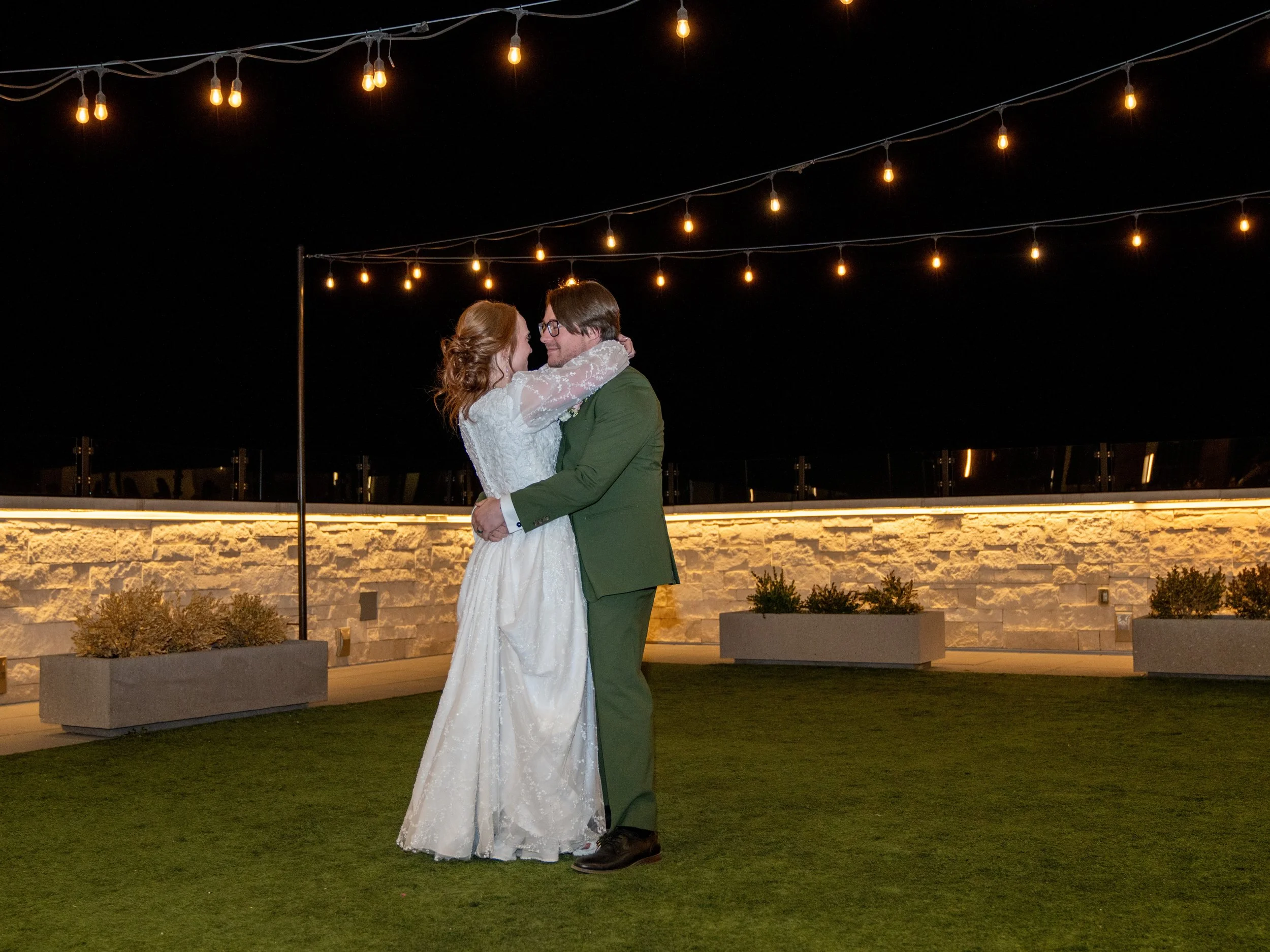
Photographer: Kamaira Wedding Films
Plan a Reception That Feels Seamless
A temple sealing and reception don’t have to feel like two completely separate events.
With a thoughtful timeline—and a venue that supports flexibility, movement, and flow—your entire day can feel connected from beginning to end.
If you’re currently exploring wedding venues in Utah County, finding a space that works well with temple wedding timelines can make planning significantly easier and create a better experience for everyone involved.
At The Rooftop Lehi, many couples design their receptions around this type of schedule, using a combination of indoor and outdoor spaces—including optional experiences like the golf lounge—to create a celebration that feels both organized and effortless.
If you’re planning a temple wedding reception and want to see how the day can come together in a space designed for flow and flexibility, you can schedule a tour of The Rooftop Lehi here.